Who’s learning today?
Choose an age to see the best place to begin.
Pick a learning world
Short activities make it easy to learn a little every day.
Build words
Play
Math
Play
Math Tug of War
Play
Tell the time
Play
Fractions
PlaySolve for x
PlayPercentages
Play
Probability
PlayPatterns
Play
Shapes
Play
Colors
Play
Animals
Play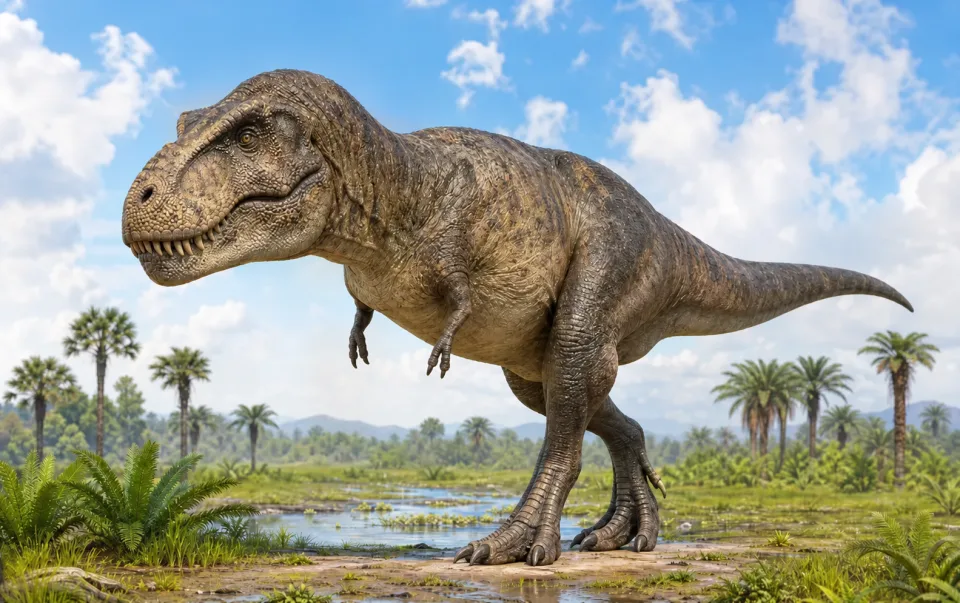
Dinosaur quiz
Play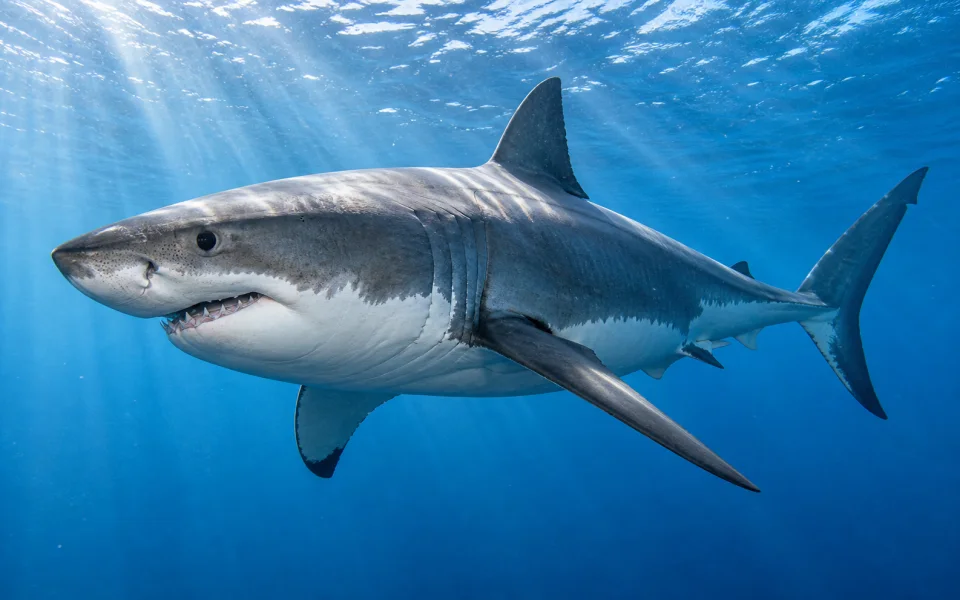
Shark quiz
Play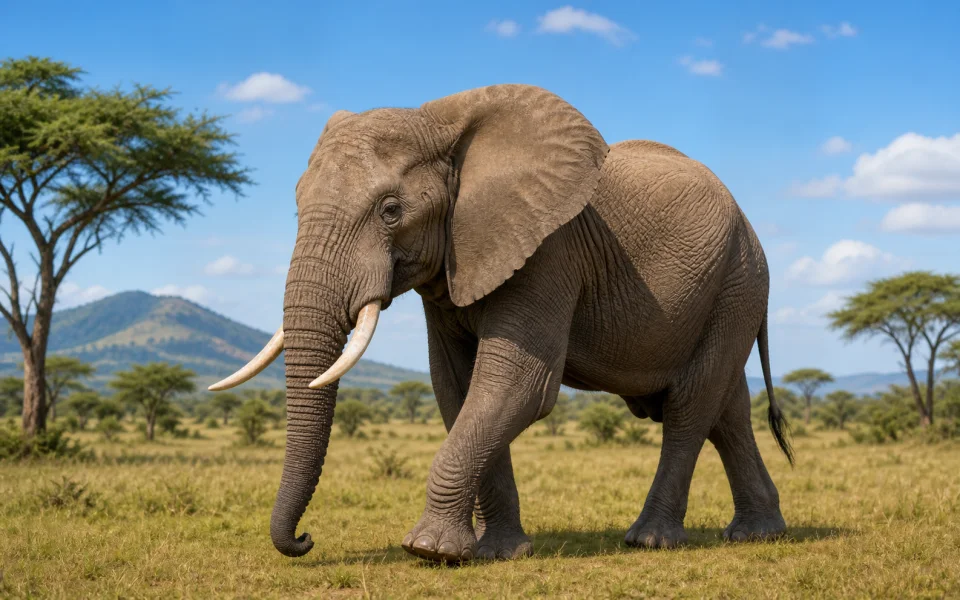
Amazing animals
Play
Planets and dwarf planets
Play
World map
Play
Chemistry lab
Play
Physics lab
Play
Country flags
Play
Russian from the beginning
Play
Kazakh from the beginning
PlayRussian: growing skills
PlayKazakh: growing skills
PlayRussian for teens
PlayKazakh for teens
PlayNew lessons to try
Explore an interactive world map, build atoms, and experiment with forces and motion.
Learning paths that teach
Short explanations, worked examples, hands-on practice, optional checks, and a note for grown-ups.
6-8
Life science
Dinosaurs
Meet dinosaur groups, fossils, adaptations, extinction, and living birds.
6-8
Strategy
Complete beginner chess
Learn the board, every piece, checkmate, special moves, and how to make a simple plan.
6-8
Ocean science
Sharks
Meet ten sharks, then learn their body plan, senses, feeding, habitats, and conservation.
6-8
Life science
Amazing animals
Meet ten animals and discover classification, habitats, adaptations, food webs, communication, and conservation.
9+
Space science
Planets
Travel from Mercury to Neptune and learn planet groups, motion, atmospheres, weather, and exploration.
9+
Digital skills
Complete typing basics
Build posture, finger placement, accuracy, capitals, punctuation, and fluent sentences.
9+
Science
Beginner chemistry
Learn safety, matter, states, mixtures, dissolving, and chemical change without risky home experiments.
9+
Science
Physics foundations
Use observations and small calculations to understand forces, motion, gravity, friction, light, and sound.
6-8
School subject
Reading and writing
Ages 6–8: phonics, handwriting, words, grammar, stories, vocabulary, fairy tales, and riddles.
12-15
Physics
Physics for teens
Ages 12–15: motion graphs, Newton’s laws, energy, circuits, waves, and thermal physics.
12-15
Chemistry
Chemistry for teens
Ages 12–15: atomic structure, periodic patterns, bonding, equations, amount of substance, and acids and bases.
Show all learning pathsShow fewer learning paths
6-8
School subject
Mathematics ages 6–8
Counting, operations, early multiplication and division, geometry, patterns, time, money, and measurement.
6-8
Science
Science and nature
Animals, habitats, plants, body, hygiene, seasons, weather, water cycle, space, recycling, and safe observations.
6-8
World knowledge
Geography and history
Countries, continents, oceans, maps, ancient civilizations, famous people, national history, transport, and occupations.
6-8
Creative
Music and arts & crafts
Rhymes, singing, instruments, rhythm, dance, drawing, colouring, painting, origami, clay, and paper crafts.
6-8
Skills
Thinking and life skills
Memory, matching, logic, mazes, sequencing, computer skills, coding, internet safety, manners, friendship, emotions, hygiene, responsibility, and movement.
9+
Academic
Mathematics ages 9–12
Master operations, fractions, decimals, percentages, ratios, negative numbers, algebra, geometry, probability, statistics, graphs, and financial math.
9+
Academic
Language, literature, and history
Comprehension, creative writing, grammar, vocabulary, chapter books, poetry, myths, biographies, discussion, ancient and medieval history, explorers, inventors, and timelines.
9+
Academic
Science ages 9–12
Body systems, electricity, magnets, energy, matter, ecosystems, weather, climate, space, geology, experiments, conservation, gardening, and sustainable living.
9+
World knowledge
Geography and cultures
Continents, countries, capitals, flags, climate zones, mountains, rivers, maps, navigation, and cultures around the world.
9+
Technology
Technology and STEM projects
Computer skills, typing, internet safety, digital citizenship, AI, robotics, Scratch, Blockly, Python, web design, games, apps, microcontrollers, weather stations, and science fairs.
9+
Thinking skills
Thinking, chess, and money
Logic, strategy, coding challenges, chess, patterns, problem solving, saving, budgeting, needs and wants, banking, earning, entrepreneurship, and age-appropriate investing.
9+
Life and creative
Creativity, health, and life skills
Drawing, painting, animation, design, photography, video, stories, music, sports, nutrition, mental wellness, teamwork, speaking, leadership, conflict, goals, cooking, and first aid.
12-15
Academic
Advanced mathematics
Ages 12–15: algebra, geometry, trigonometry, statistics, probability, and mathematical modelling.
12-15
Academic
Physics, chemistry, biology
Ages 12–15: matter, energy, cells, ecosystems, climate, experiments, and science-fair communication.
12-15
Academic
Humanities and global issues
Ages 12–15: literature, essays, history, civics, geography, cultures, economics, the UN, and global goals.
12-15
Technology
Python and JavaScript
Ages 12–15: algorithms, Python, JavaScript, testing, debugging, and readable code.
12-15
Technology
HTML, CSS, web, Git
Ages 12–15: semantic HTML, responsive CSS, accessibility, Git/GitHub, databases, cloud concepts, and cybersecurity.
12-15
Technology
Mobile, games, AI, robotics
Ages 12–15: app and game design, AI/ML concepts, robotics, evaluation, and responsible technology.
12-15
Thinking
Critical thinking
Ages 12–15: logic, debate, problem solving, research, media literacy, fact-checking, and decisions.
12-15
Money
Financial literacy
Ages 12–15: budgeting, saving, banking, compound interest, investing, taxes, entrepreneurship, and business plans.
12-15
STEM project
Robots, electronics, IoT
Ages 12–15: electronics, Arduino, ESP32 IoT, Raspberry Pi, robotics, 3D printing, drones, and science projects.
12-15
Creative skills
Creative media studio
Ages 12–15: design, drawing, photography, animation, video, YouTube, scripts, audio, music, podcasts, and responsible publishing.
12-15
Life skills
Communication and life skills
Ages 12–15: speaking, presentation, teamwork, leadership, negotiation, interviews, time, goals, stress, relationships, cooking, first aid, and health.
12-15
Future
Career exploration and reading
Ages 12–15: engineering, medicine, programming, business, design, law, teaching, science, skilled trades, and a balanced reading ladder.
Made for curious kids. Clear for grown-ups.
- No account needed
- Progress stays on this device
- Short, focused activities